Cleaning the Senses
Excerpt from the lecture “Wisdom Teachings on Shamanic Healing” by Maestro Manuel Rufino, given at The Ark in Brooklyn, NY on January 13, 2016.
Q: In this time and place that we chose to live, there is no option to go for seven years in a dark cave. How can we clean our senses?
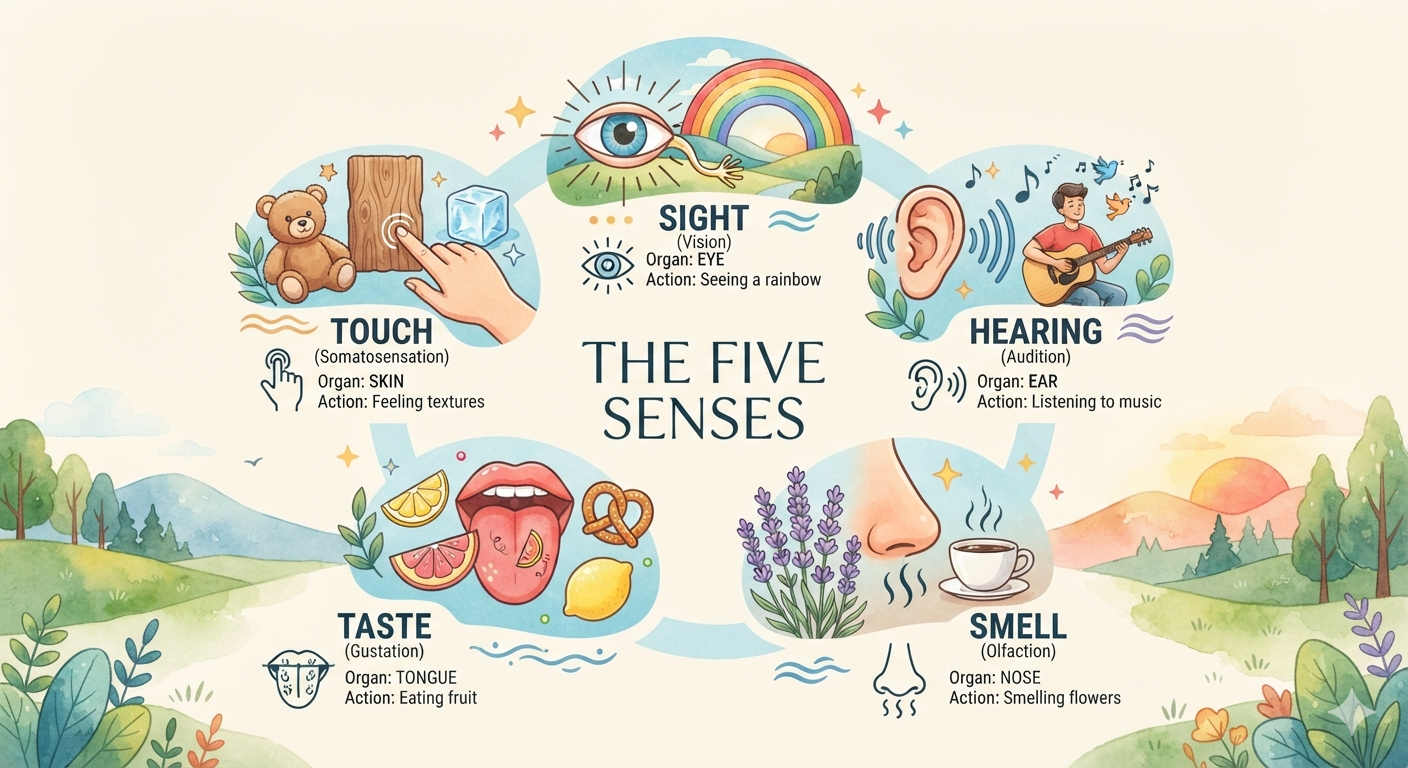
MM: Daily as you observe things, because everything that happens to us is an overreaction. You react to things. Somebody says, ‘I don't like your shoes’ and you immediately begin to overreact to that. ‘What don’t you like about my shoes? Why? They are ugly?’ You begin to create a problem out of something that in reality is not a big problem. You are just making a big problem out of a small situation. Learning how to not overreact, is to clean up the senses. Because we are always expecting somebody else to say, ‘How much do you love me?’ No matter how people tell these things, just listen to the truth, the way that it is. And then you begin to clean your ears. How to clean your ear from overreacting to people's words, to noises outside, to a car that is passing by, all of that, just by calming down and saying, ‘No, I am not going to overreact this time. This time when a person tells me something, I will be silent. I will not do it.’
Maybe because in the environment that you grew up in they teach you to overreact to things, and this is not you, Maybe it is not your nature to be overreacting. Maybe you ask yourself. ‘Why am I overreacting? This is not a big deal.’ But somebody told you that you need to overreact. That was a teaching that you received somewhere. But then you learned, no, I am not going to overreact to that. Then slowly you begin to clean your senses, you begin to clean your eyes, the way that you perceive things. Because somebody had taught you to be prejudiced about someone that is dressed this way, and that way symbolizes this and symbolizes the other, if somebody's color is this way or that way, if somebody is tall and somebody is this way or that way. All of that is not your natural senses. Somebody has trained you to overreact and to see things. You are not seeing them yourself. No, this is a cultural projection depending on where you are coming from; then you have a series of constructions in your head. Then, when you look at a person you are not looking at the person in the way that the person really is. You are looking according to how you are trained. Begin to really look at people the way that they are.
Why are you overreacting about somebody in the street just because they look different from you? All of this is because somebody has trained you. It is not your senses naturally.
When you allow the senses to work naturally, then you look at people the way that they really are. And then you make decisions about what that person is going to do, not based on a person’s particular features, but based on real reactions that you feel. The same happens with smell. I was saying the other day that I was listening to Richard Pryor say that the first time that he went to Africa he got into a bus and said, ‘Oh my God these people stink!’ Then he got out of the bus. Then he went to the hotel, took a shower and bathed himself in perfume. When he walked into the bus, people said, ‘Oh my God this guy stinks.’ Nobody wanted him inside the bus. Why? Because this is a training. Somebody has trained your senses. Your sense of smell is not yours, somebody has trained it: ‘In order for somebody to smell good they need to smell like roses.’ But it is not truthful. Somebody has trained you to react to a scent in a particular way based on the culture. Then slowly you need to take your senses back, so your senses are truthful. This is what happens to people who have allergies; they are just over-reactors. They react to small things. How can you sit down and not overreact to a particular smell that is making you have an allergic reaction?
I was in Hawaii and the wife of the person that we saw cannot even see bread around because she will get an allergic reaction to gluten, like a rush. I immediately said, ‘Oh wow, the person is not physically reacting. It is an emotional thing that the person is reacting to.’ So the person needs to learn slowly how not to react to that particular thing that is creating the allergy. How do you just learn not to overreact? Be aware of your senses slowly, slowly. As you begin to take them back, you begin to own them, then you begin to react to things on your own, not based on somebody else's imposition on you which is the culture.
The same happens with the mind. The mind is not yours because you believe that you need to think in a very specific way, talk in a very specific way. As soon as somebody has a PhD in something, you think that the person is smart. The person can be the dumbest person ever, because if someone is dumb, they can still be dumb with a PhD. But no, people think that if it is a PhD person, they have to be very smart, but then we find out, ‘Wow, God bless me.’ Because of the cultural training, you think they have, ‘Oh they have a PhD’. But you realize if you live with that person, the person does not even have a quarter of the brain to have a real human relationship.
So, yes, eventually you can slowly take back your senses through meditation. If we do not have that training, we need to figure out why we are overreacting to that situation. Why do you overreact if a man says something in a certain way? And if you are a woman, do you know why you overreact if a woman says it? And why a man overreacts if a woman says something? If a man says it, he will not overreact in that way. All of that is training, but you need to become highly aware of that because otherwise you are not using your true senses. You are influenced by the training that you have received.
We were watching a video called ‘The Demon Chihuahua’ about a very angry Chihuahua. How do you train the Chihuahua not to be angry? It does not take too long. Then somebody asked me, ‘Why does it take so long to train a human?’ I said because you cannot train humans. It is very difficult. It is a very different species. A person needs to learn from within because a person has consciousness. Then you may tell a person, ‘you can overcome that very quickly,’ but the person thinks,
‘No. I don't want to do that that way.’
‘But it is good for you.’
‘No, because I just don't want it.’
And the person begins a series of blocking, blocking things continuously. It will take a long time for that person to learn something, but when you learn to be in the present and you begin to say, ‘Ok I need to change that, I need to work on that.’ Then you clean your senses slowly, consciously, by not overreacting. And by deep observation. For example a person who is conducting a symphony, a big orchestra, because of their practice, the person can hear every instrument. Even if there are 300 instruments, the person can distinguish every single note. The ear is marvelous, it means that every sound that is happening all around you can be heard if you train the ear. Most of us cannot hear it because we do not have that training. It is the same with a painter who can see many colors on an apple. A regular person will only see red. A painter will see many layers of color there. The painter will see blue, green, yellow. They will put many, many layers of paint, and at the end maybe a little bit of red. Because the person has the training that can penetrate many layers and notices that an apple is not red. It has many colors. So in the same way you can begin to train your senses for something deeper. You can go deeper, and for that you need deep relaxation and no overreactions.
Q: Are there any specific routes or paths that you recommend to us to assist us to clean our senses?
MM: Yes. It is good to go to Times Square – that is a place where you can learn to not overreact.
Q: But first should we smudge ourselves a lot?
MM: You will need to smudge yourself with a lot of sage. Before, after and during. But, yes, we need to learn to not overreact to the environment because we are continuously being bombarded by things. We need to control that, to not overreact, to be peaceful no matter what's happening. Once you learn that, you don't overreact anywhere because you are in control of your senses. You know what to do.