
Sage, Copal, Cedar and More: A Guide to Herbs Traditionally Used for Smudging and Spiritual Cleansing
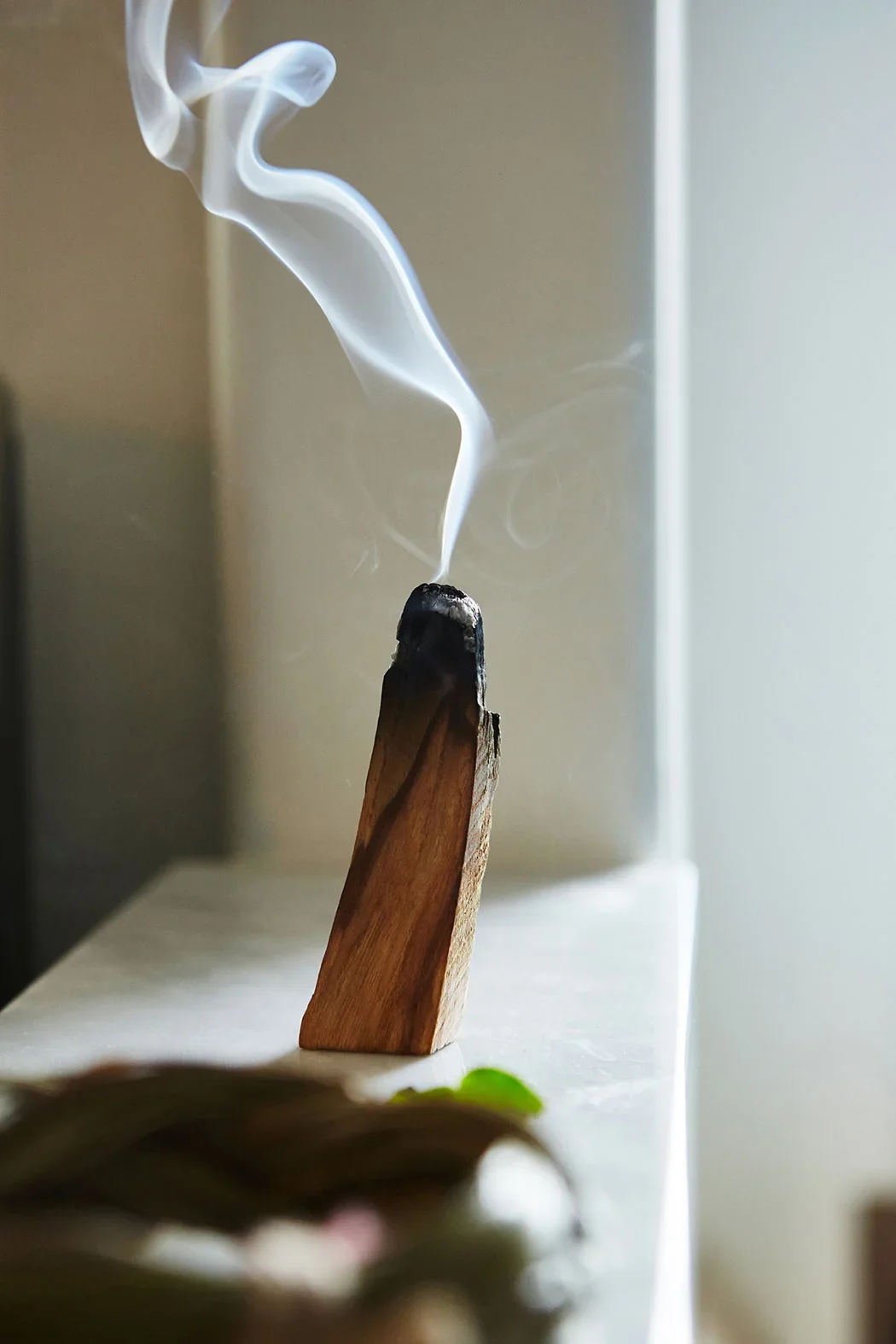
Since the beginning of human history, people have burned sacred herbs, woods, and resins to mark important moments in life. Across nearly every continent, fragrant smoke has been used to prepare for prayer, bless a home, begin ceremonies, honor ancestors, and create an atmosphere of peace and reverence. Whether in a Christian church filled with frankincense, a Buddhist temple scented with incense, an Indigenous smoking ceremony, or a family altar at home, the rising smoke has long served as a symbol of purification, gratitude, and spiritual connection.
Today, many people use the word smudging to describe these practices. It is important to recognize, however, that "smudging" traditionally refers to specific ceremonial practices of many Indigenous Nations of North America. Similar smoke ceremonies exist throughout the world, each with its own history, prayers, and cultural traditions. While the herbs and methods may differ, they often share a common purpose: preparing the mind, heart, and environment for sacred work.
Within the Golden Drum community, the ceremonial use of sacred herbs is an integral part of spiritual practice. At virtually every gathering, workshop, sound healing, and ceremony facilitated by Golden Drum community members, sacred smoke is used to help prepare both the space and the participants. Before the music begins, before meditation, and before healing work is offered, herbs or resins such as sage, cedar, copal, palo santo, or amber are often lit with prayer and intention, creating a peaceful atmosphere that invites presence, reverence, and connection.
Rather than viewing these plants as magical objects, the Golden Drum community understands them as ceremonial allies. The smoke serves as a symbolic act of purification, helping participants leave behind the distractions of daily life and enter a sacred space with greater awareness, gratitude, and openness. Combined with breath, music, meditation, and heartfelt intention, these ancient traditions help establish an environment that supports healing, reflection, and spiritual growth.
One of the important teachings shared throughout the Dream Seed Sound Healer Training is that sacred smoke does not belong to any one culture or religion. Throughout history, people around the world have discovered that aromatic plants can help transform an ordinary environment into a sacred one. Indigenous Nations throughout North America have long practiced smoking ceremonies. The Maya and Aztec peoples offered copal in their temples. Hindu and Buddhist traditions burn incense during meditation and devotional practice. Churches throughout the Christian world have used incense for centuries as a symbol of prayers rising toward heaven. Though each tradition has its own customs and beliefs, all recognize the power of ritual to help quiet the mind and open the heart.
Perhaps the most important lesson is that the herbs themselves are only part of the ceremony. Lighting sage or incense without intention does not automatically create healing or spiritual connection. The plants simply become tools that help focus awareness. It is the practitioner's sincerity, prayer, gratitude, and presence that bring life to the ritual.
White Sage
White sage (Salvia apiana) is perhaps the best-known herb used for ceremonial cleansing. Native to the southwestern United States and northwestern Mexico, it has been used by many Indigenous peoples of the region for generations as part of prayer, healing, and community ceremonies.
Traditionally, white sage is burned before important events to symbolically clear stagnant influences and prepare a space for sacred work. Many people appreciate its clean, earthy fragrance and the feeling of clarity it helps create.
Because wild white sage has become increasingly overharvested, it is important to purchase it from ethical growers whenever possible and to approach its use with respect for the Indigenous communities that have preserved these traditions.
Copal
Copal is one of the oldest ceremonial resins in the Americas. Harvested from several species of trees throughout Mexico and Central America, it has been burned for thousands of years by the Maya, Aztec, and many other Indigenous cultures as a sacred offering.
When placed on hot charcoal, copal releases a bright, uplifting aroma that many associate with purification, blessing, gratitude, and spiritual connection. Within the Golden Drum community, copal is frequently used to activate an altar or prepare a healing space before meditation, ceremony, or sound healing begins.
Cedar
Cedar has long been regarded as a sacred tree by many Indigenous Nations throughout North America. While sage is often associated with purification, cedar is traditionally connected with protection, grounding, strength, and blessing.
Its warm, woody fragrance creates a sense of stability and rootedness, making it especially appropriate before prayer, meditation, and healing work.
Sweetgrass
Sweetgrass is easily recognized by its long braided strands and naturally sweet aroma. Considered one of the sacred plants by many Indigenous communities, it is often burned after a cleansing ceremony.
Many traditions teach that while sage helps clear a space, sweetgrass helps invite positive qualities such as kindness, gratitude, harmony, joy, and love. In this way, the two plants beautifully complement one another.
Palo Santo
Palo Santo, meaning "Holy Wood," comes from trees native to parts of South America, particularly Peru and Ecuador. For generations it has been used in ceremonies, prayer, and traditional healing.
When harvested ethically from naturally fallen branches that have been allowed to mature, Palo Santo produces a rich fragrance with notes of citrus, mint, and warm wood. Many practitioners enjoy using it before meditation, yoga, journaling, and sound healing because of its calming and uplifting qualities.
As with white sage, purchasing ethically sourced Palo Santo helps protect both the forests and the traditional communities that have cared for these practices for generations.
Amber
Amber differs from the other materials on this list because it is fossilized tree resin rather than a fresh herb or wood. Burned as incense in many parts of the world, amber produces a rich, warm fragrance often associated with contemplation, devotion, protection, and inner stillness.
Its sweet aroma creates a welcoming atmosphere for meditation and prayer and is frequently blended with other ceremonial resins.
Beginning with Intention
Whether preparing for a meditation, opening a sound healing session, blessing a new home, or gathering in community, sacred herbs invite us to slow down and become fully present. Their fragrance reminds us to breathe deeply, quiet the mind, and consciously step into a sacred moment.
Ultimately, the smoke itself is not the source of healing. Rather, it serves as a bridge—helping align our attention, our breath, and our intention. Every authentic spiritual tradition teaches that transformation begins within. Sacred herbs simply provide a beautiful way to honor that journey, creating an atmosphere where healing, gratitude, prayer, and connection can naturally unfold.
When approached with humility, ethical sourcing, and respect for the cultures from which these traditions come, these ancient practices continue to remind us that the most important purification is not only of the spaces around us, but of our own hearts and minds.